
Sculpture Process
Once you’ve mastered some fundamental skills and techniques, the creative possibilities are endless. As with anything, it then becomes a matter of practice and gradually building on those skills.
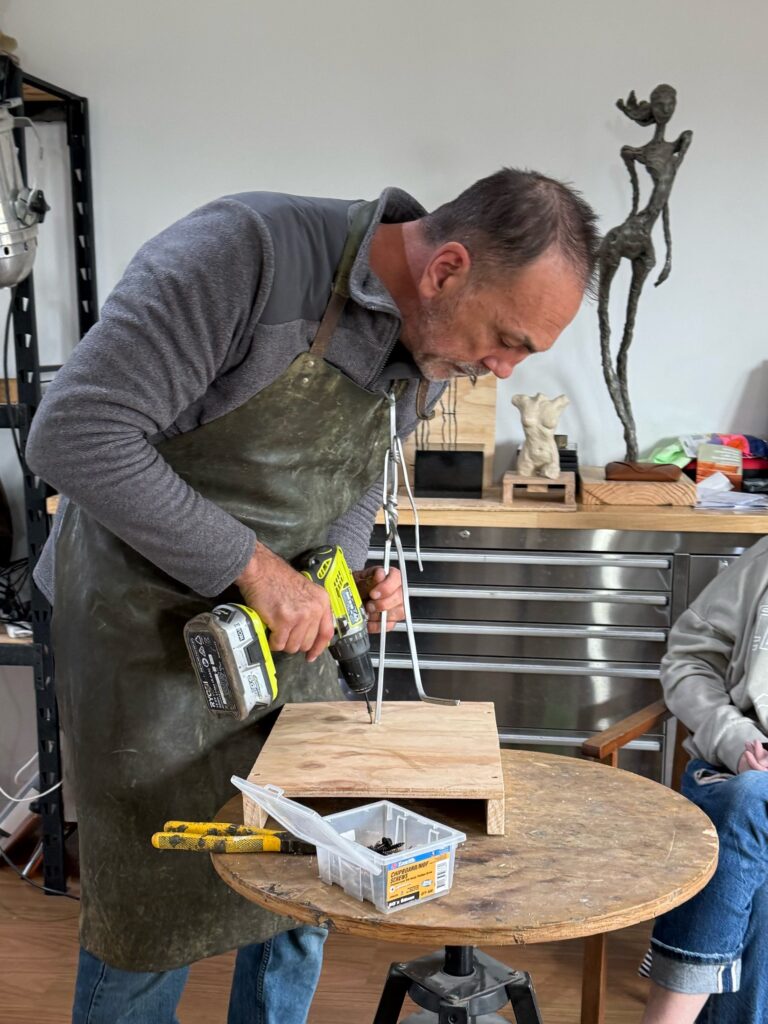
The main focus of the class sessions is on building a three-dimensional form over a support frame, or armature, using materials such as modelling clay, wax, or plaster. Once your original piece is complete, you have the option of having it moulded and cast in bronze, resin, glass, plaster, or other media.
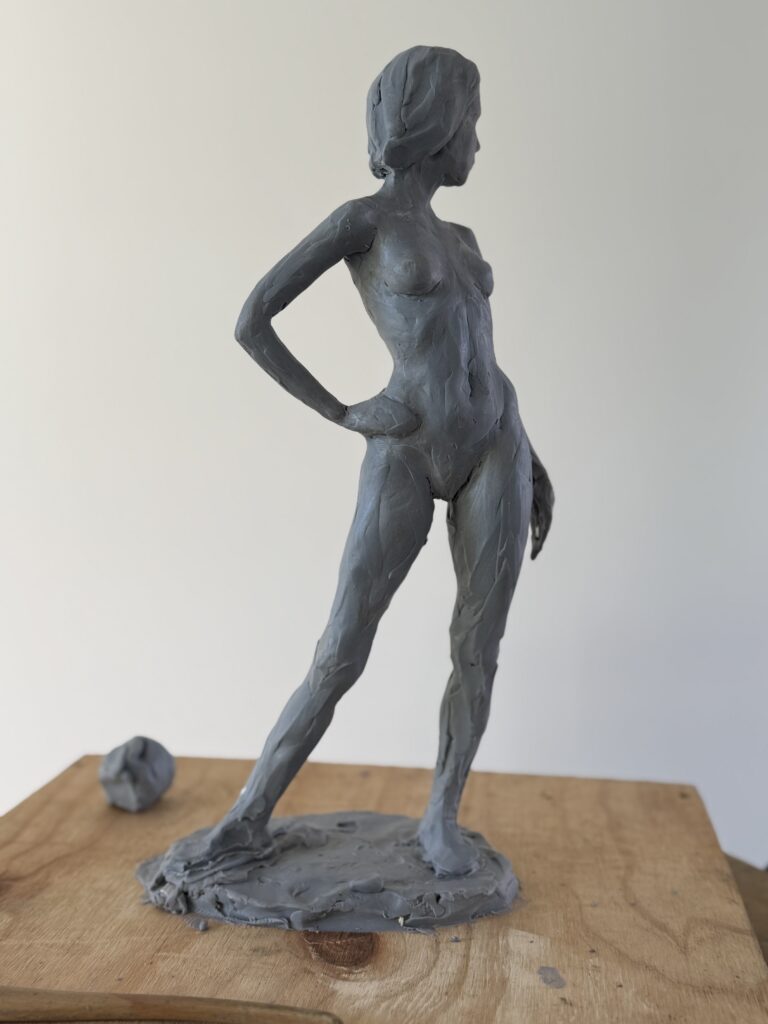
Although there are many mediums available for creating sculpture, there are two general approaches: either the work is created and finished in a single material, such as stone, wood, or steel, or it is modelled in one material, like clay or wax, and then moulded and cast in another medium, such as bronze, resin, or glass.
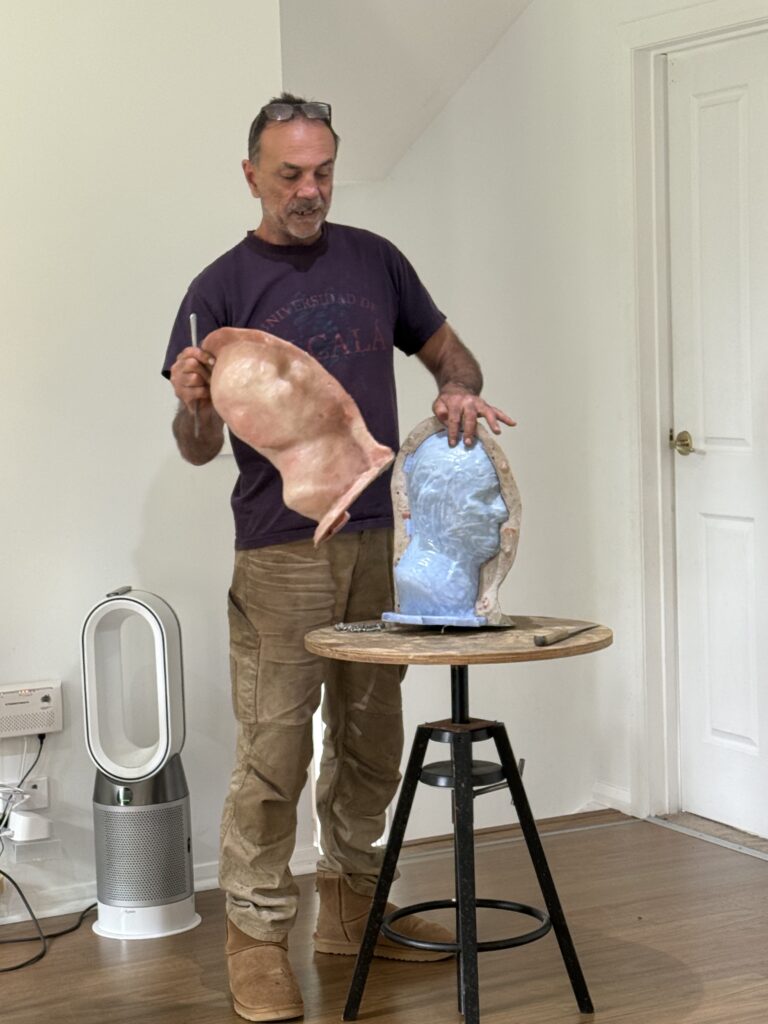
Silicone rubber is used to create a flexible “master mould” from the original sculpture, and from this master mould, your work can be cast in a variety of materials to produce an exact reproduction.
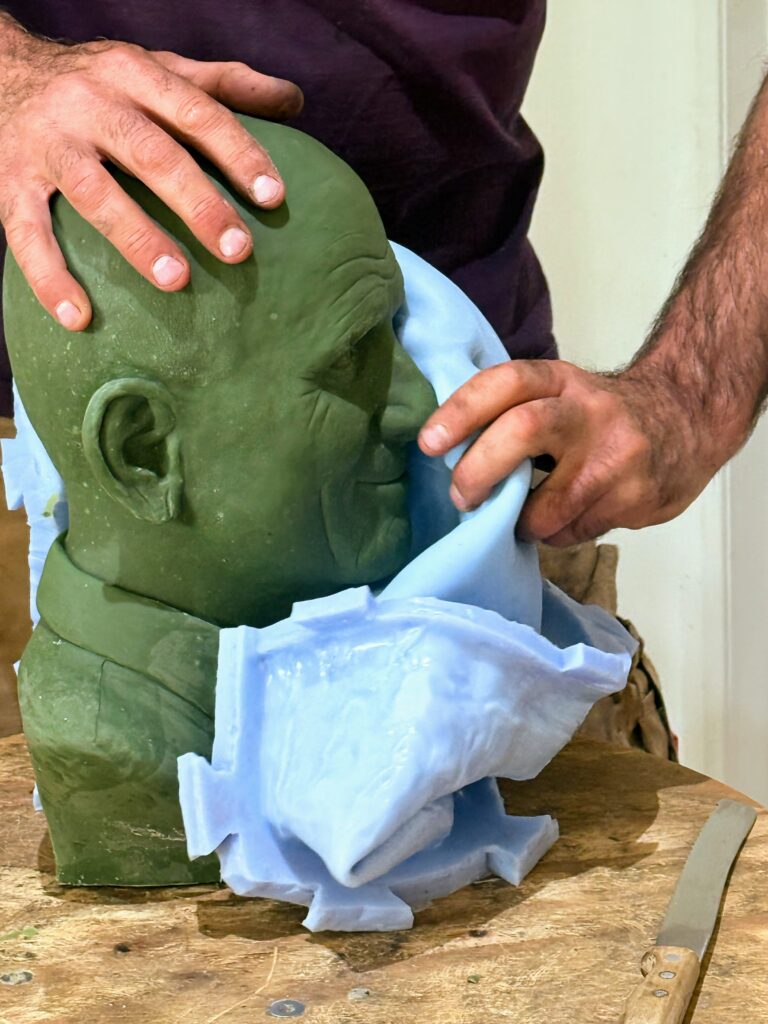
You can choose to reproduce your original sculpture in a range of materials, from low‑cost options such as plaster or acrylic resins, to polyurethane resins, or more complex and higher‑value materials like bronze, other metals, or cast glass. Once the silicone rubber master mould is created, it can be used multiple times to produce exact copies of your original in any of these materials.
Do You Have a Sculpture You’d Like Moulded or Cast in Bronze?
When you’re ready to transform your original sculpture into a lasting artwork, you can have it moulded or cast in bronze or other mediums that showcase every subtle detail. We’re here to help you understand the process, explore your options, and bring your creative vision into a finished piece you can treasure.